
Why 3DWerk Exists
3DWerk was founded from direct experience inside complex engineering delivery environments, where documentation, coordination, and production capacity often define the limits of what engineering teams can ultimately achieve.
The Real Constraint Isn't Engineering Ability
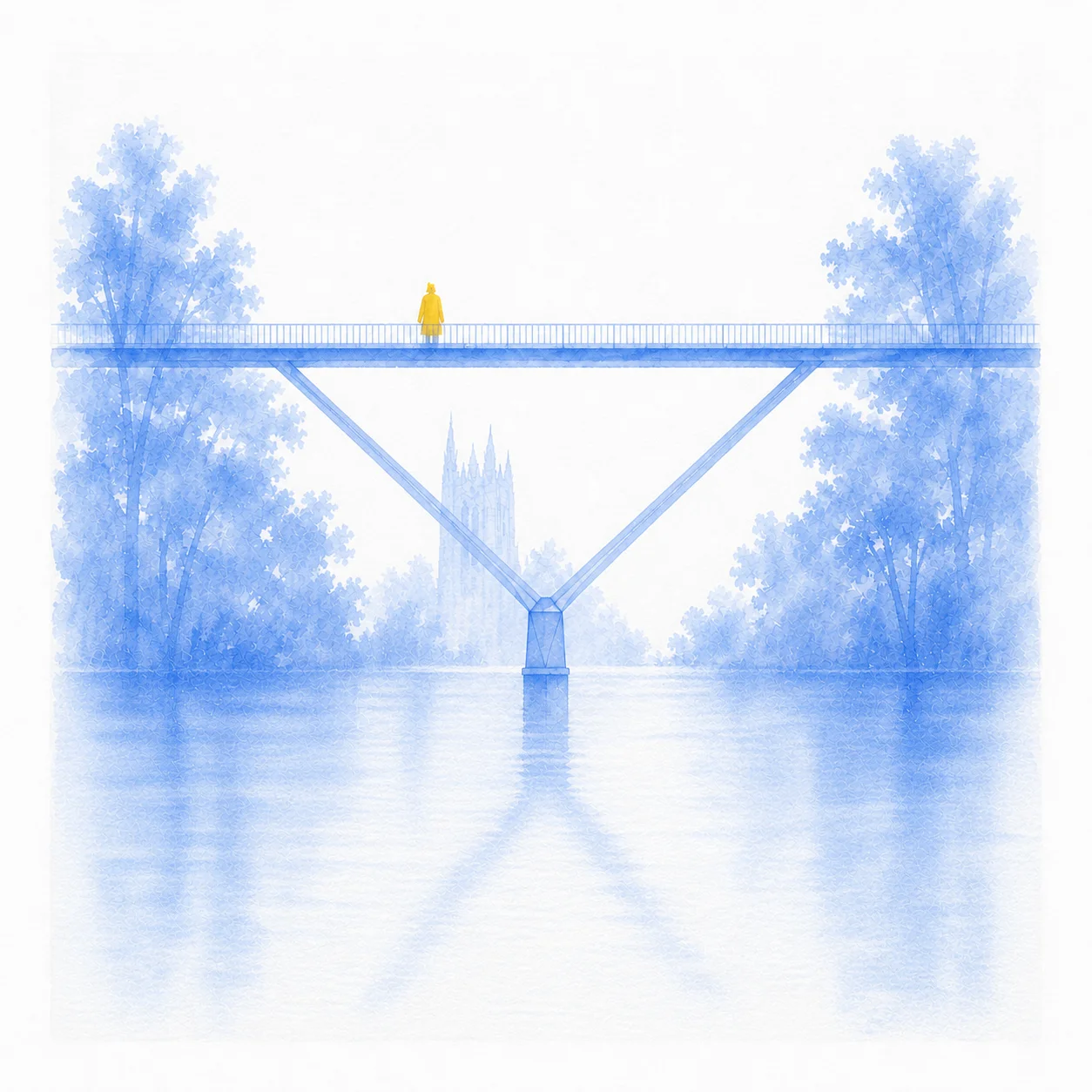
Across many projects, engineering quality is not limited by expertise or intent, but by time, coordination effort, and documentation workload. When delivery pressure dominates, teams are forced to prioritize immediate output over exploration, optimization, and reflection — often before better solutions can be fully developed.
This pressure does not stem from a lack of tools or knowledge, but from how engineering production is organized. As projects grow in complexity and scale, documentation tasks multiply, coordination loops increase, and small changes propagate through drawings, models, and reports with disproportionate effort.
In such environments, even highly capable teams spend a significant share of their time managing production friction rather than engineering decisions. The result is not poor engineering, but constrained engineering. In such environments, safety margins, sustainability considerations, and design quality are shaped as much by delivery capacity as by technical reasoning.
Why Engineering Capacity Matters
Improving efficiency in engineering delivery is not an end in itself. The real value lies in creating capacity—time, attention, and flexibility—that allows teams to respond to real-world demands, optimize responsibly, and pursue better outcomes under real project pressure.

Safer Structures Under Real Constraints
In environments affected by natural hazards, aging infrastructure, or rapid reconstruction needs, engineering teams must often go beyond minimum requirements. Creating delivery capacity makes it possible to respond to higher safety demands, adapt designs to updated knowledge, and support resilient solutions without compromising timelines.
Sustainability Requires Time to Optimize
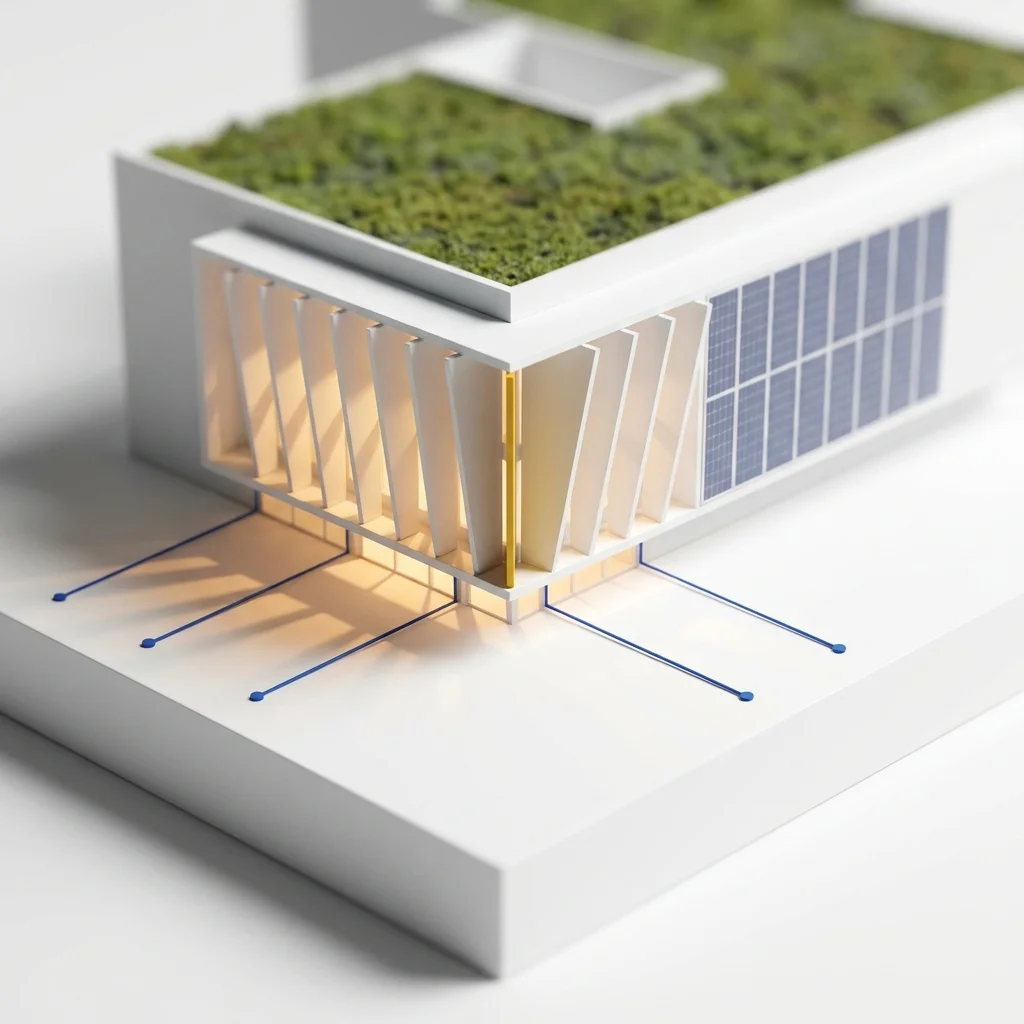
Reducing material use, carbon impact, and lifecycle cost depends on having the capacity to explore alternatives and assess trade-offs. When documentation delivery is predictable, teams gain the time needed to optimize structures meaningfully rather than defaulting to conservative or over-dimensioned solutions.
Better Projects Need Space to Evolve
Architectural quality and structural clarity benefit from iteration and collaboration. When production pressure is reduced, engineers can engage more deeply with geometry, coordination, and design intent—allowing complex and ambitious projects to mature rather than being constrained by delivery friction.
A Systematic Approach to Engineering Production
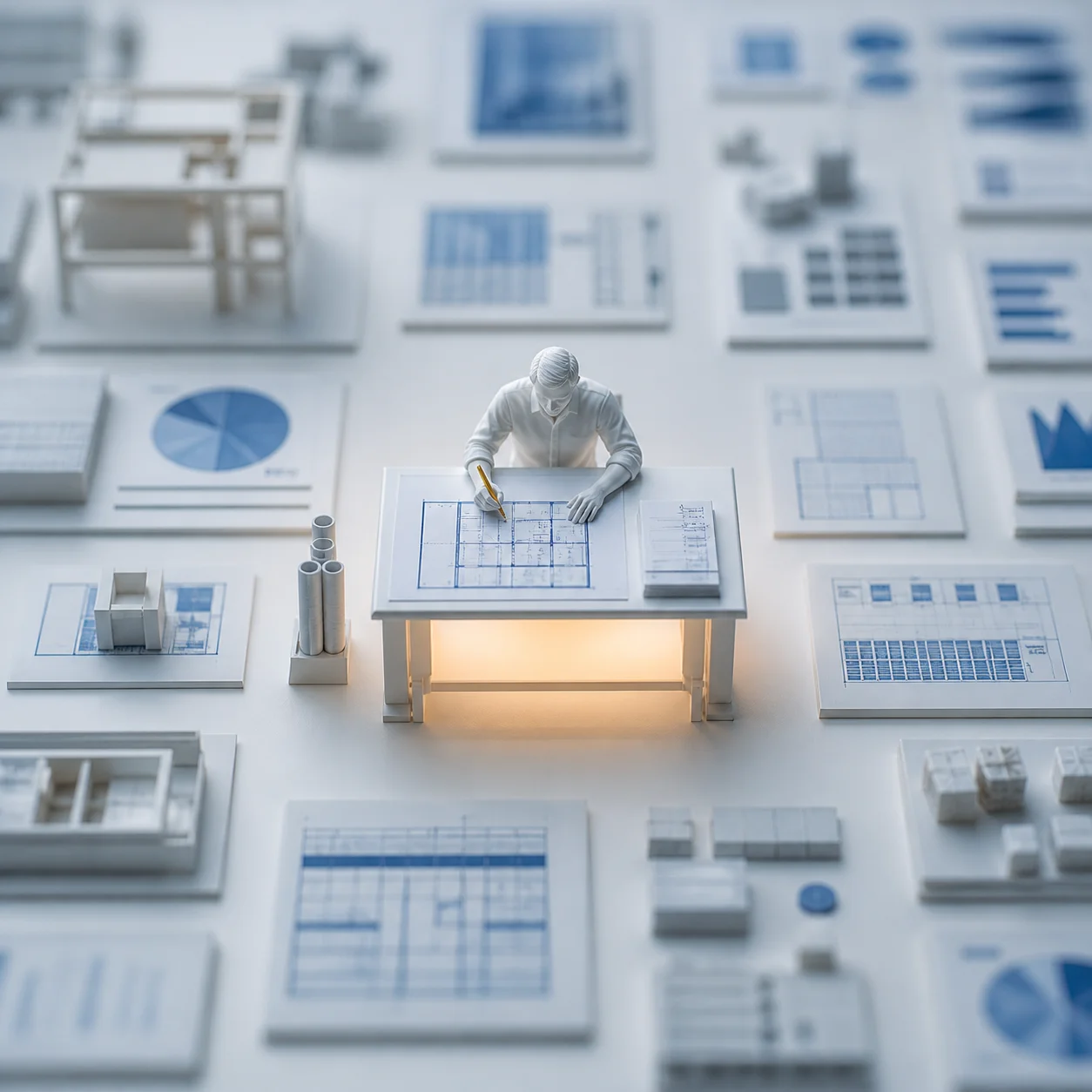
3DWerk approaches engineering documentation delivery as a production system that deserves the same level of structure and attention as design and analysis. Rather than treating documentation as a downstream task, it is considered an integral part of engineering delivery, where clarity, consistency, and predictability directly influence project outcomes.
This perspective is shaped by experience in large, complex project environments, where unstructured documentation processes often become a limiting factor for engineering quality. By focusing on clearly defined inputs, parameter-driven logic, and repeatable workflows, documentation production can be stabilized, reducing coordination friction and allowing teams to work with greater confidence under changing conditions.
The goal is not to replace engineering judgment, but to support it. When documentation delivery is reliable and scalable, engineers regain capacity to focus on decisions that matter — evaluating alternatives, responding to new constraints, and collaborating effectively across disciplines. This shift from reactive production to structured delivery is what enables better engineering at scale.
Principles From Real Delivery Experience
The way 3DWerk works is guided by principles developed in real project environments, where engineering decisions, documentation effort, and delivery pressure intersect on a daily basis.
Creating Space
for Better Engineering
If these challenges resonate with your experience, we welcome a conversation to exchange perspectives and explore potential collaboration.