
Actual Projects. Proven Methods.
Real Results.
Selected engineering projects demonstrate how systematic documentation delivery and parameter-driven workflows lead to reliable outputs and measurable efficiency gains in real-world project environments.
Demonstrated Improvements from Real Project Experience
Through direct involvement in complex engineering projects, key roles in process design and workflow optimization contributed to substantial improvements in delivery speed, output capacity, and consistency — demonstrating what systematic documentation delivery can achieve in practice.
Seismic Assessment
Through direct involvement in large-scale seismic asset assessment portfolios, key contributions to parametric modelling, scalable analysis workflows, and automated reporting helped reduce documentation and assessment cycles from several months to a few weeks, enabling consistent delivery across high volumes of project tasks.

Scheme Design Documentation
In early-stage bridge design projects, drawing automation workflows were designed and implemented to cover multiple design stages within a single documentation cycle, increasing output capacity and allowing greater focus on client coordination, design iteration, and project optimization.
Structural Optimization
In technically demanding projects, structured FEM workflows and rationalized modelling approaches were developed and applied to evaluate more than one hundred structural variants within condensed timeframes, supporting faster and more informed engineering decision-making.

Deliberate Methods Behind Measurable Results
The improvements shown above were not the result of isolated optimizations, but of deliberately designed methods that combine engineering judgment with systematic workflows, enabling consistent delivery across complex and high-volume project environments.



Engineering Work in Demanding Real-World Contexts
The methods and improvements described above were developed and applied within complex engineering projects across infrastructure, high-rise, and large-scale assessment programs, each with distinct technical, organizational, and regulatory demands.

High-Complexity Structures
Application of structured modelling and documentation methods in technically demanding projects, including high-rise buildings and long-span infrastructure, where frequent design changes, multidisciplinary coordination, and regulatory scrutiny were part of daily delivery.
Review-Ready Documentation
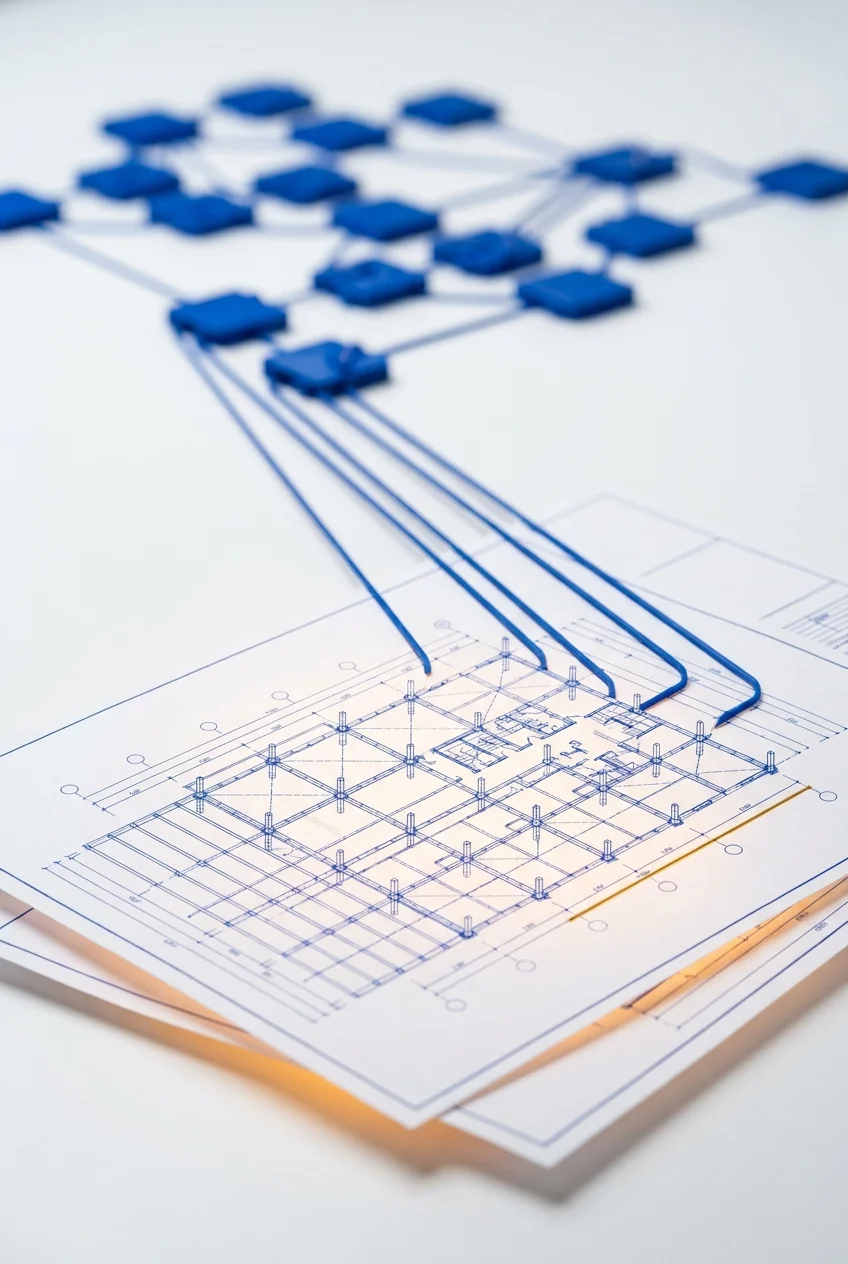
Direct involvement in the production of coordinated drawings, BIM models, and technical reports, delivered in line with established standards and approval processes, ensuring outputs were usable, traceable, and ready for formal review.

High-Volume Engineering Package
Contribution to large-scale engineering package involving hundreds to hundreds of thousands of similar documentation tasks, where consistency, repeatability, and controlled execution were essential to achieving reliable outcomes.
Built Inside Real Engineering Teams
3DWerk is shaped by first-hand experience working inside complex engineering organizations, where documentation delivery, process design, and technical decision-making must operate reliably under real project pressure.


Your Team May Face the
Same Challenges
If the situations described here reflect challenges your team is encountering — capacity constraints, documentation bottlenecks, or inefficiencies caused by scale and change — there is value in comparing experiences and exploring structured ways to address them.